In Northants, Milton Keynes, Oxford, Bedfordshire, Stamford, Rugby, Leicestershire, Derbyshire and surrounding areas

Established in 1993, our family-owned and operated company has kept people safe for over 30 years
Fire Alarm Systems delivers customised fire alarm installation, maintenance, and monitoring services to businesses and commercial properties throughout the area.
We specialise in a wide variety of solutions, including wired, wireless, and open protocol fire alarm systems. Our experienced team carefully assesses the unique needs of each premises to provide a tailored fire alarm system that ensures maximum safety and compliance.


Fire safety news & Advice
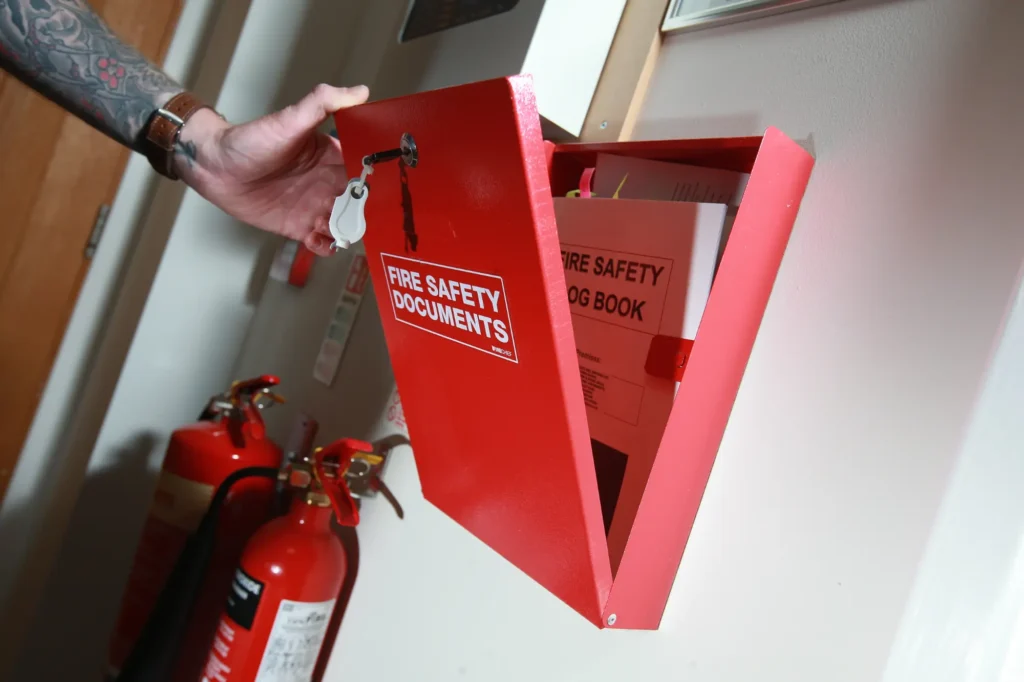
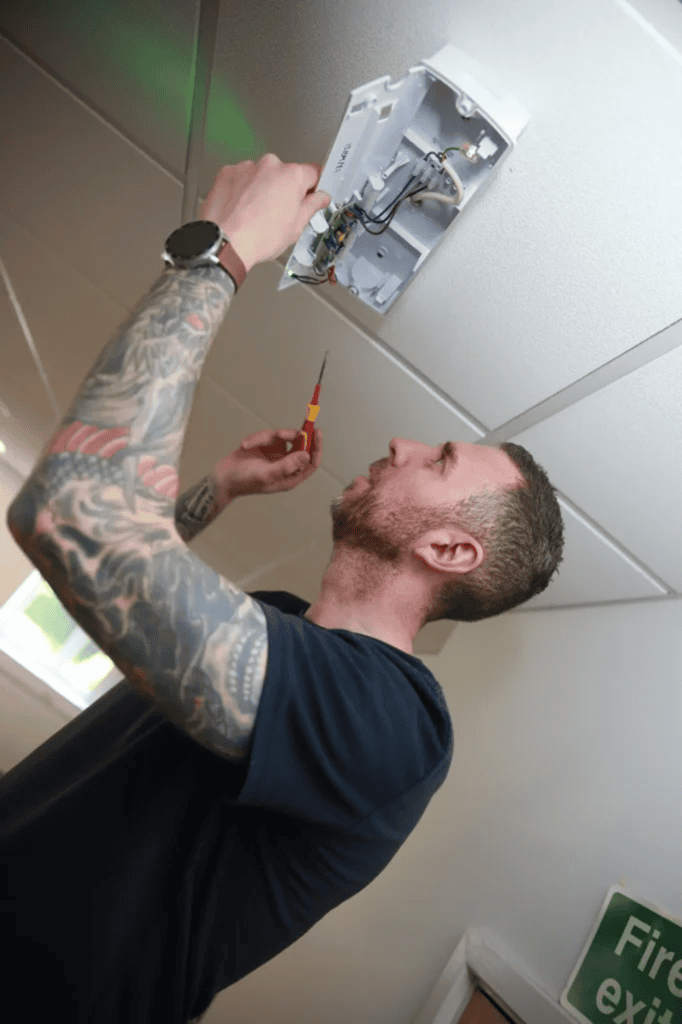




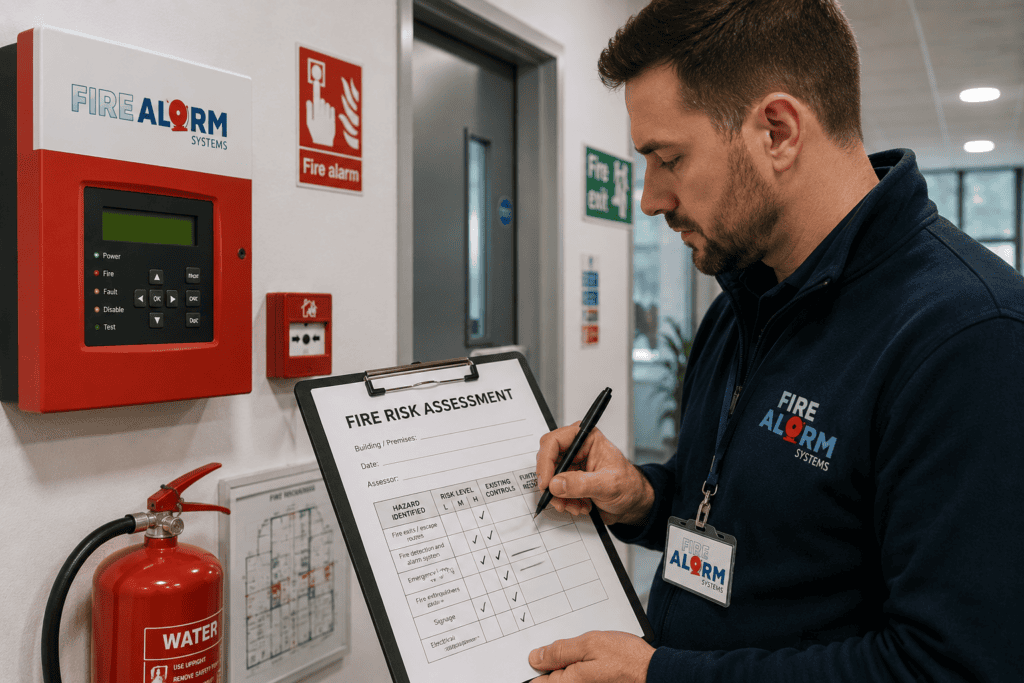
An expert team to keep your business safe.
Fire Alarm Systems are an essential part of any building’s infrastructure, offering critical protection for both life and property. At Fire Alarm Systems, we specialise in a wide variety of solutions, including wired, wireless, and open protocol fire alarm systems. Our experienced team carefully assesses the unique needs of each premises to provide a tailored fire alarm system that ensures maximum safety and compliance.
Sectors we cover
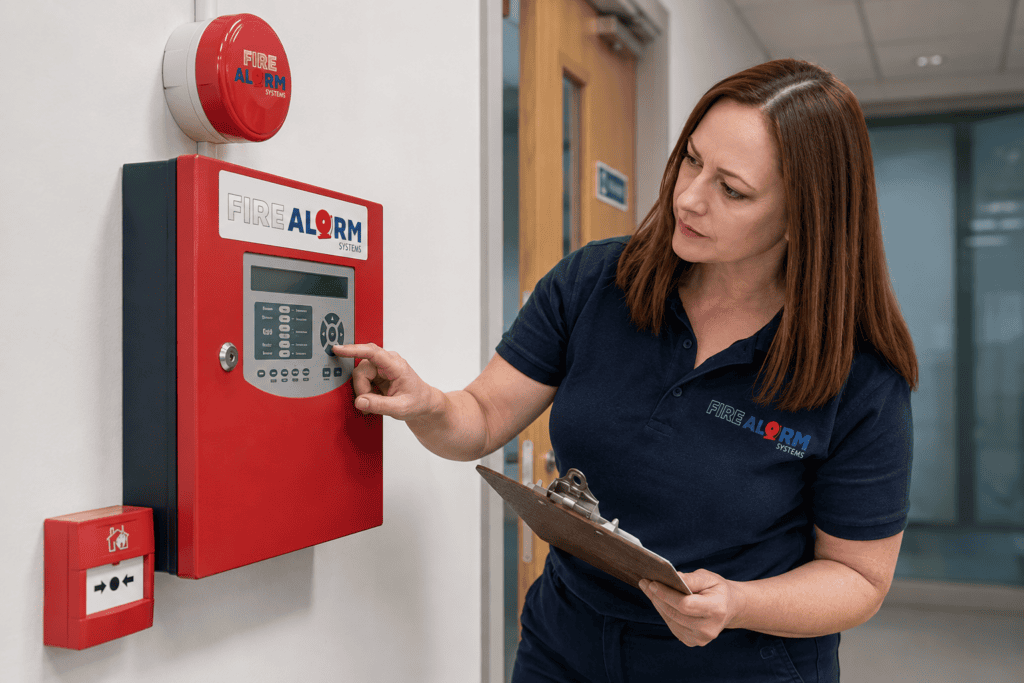
Offering Fire Alarm Maintenance & servicing
As a trusted provider from our head office in Nottinghamshire since 1993, Fire Alarm Systems delivers customised fire alarm installation, maintenance, and monitoring services to businesses and commercial properties throughout the area. Whether you need a new fire alarm system, upgrades, or regular servicing, we offer expert solutions to meet your fire safety needs.
Frequently asked questions about Fire Alarms
As a trusted provider since 1993, we have been providing Fire Alarms in Nottinghamshire and surrounding areas with customised fire alarm installation, maintenance, and monitoring services to businesses and commercial properties throughout the area.
Fire alarm systems are categorised into manual (Category M) and automatic systems for life protection (Category L) and property protection (Category P).
Category M Systems
- Manual systems without automatic fire detectors.
Category L Systems (Life Protection)
- Category L1: Installed throughout all areas of the building to provide the earliest possible warning for maximum escape time.
- Category L2: Installed in specific parts of the building, including areas covered by Category L3, with additional early warning in high-risk areas.
- Category L3: Designed to warn occupants early enough to escape before escape routes become impassable. Detectors are typically installed in rooms opening onto escape routes.
- Category L4: Installed in circulation areas and spaces like corridors and stairways to enhance safety by warning of smoke within escape routes.
- Category L5: Customised systems designed to meet specific fire safety objectives in certain areas of a building, possibly to compensate for deviations from standard guidance or as part of a fire protection system.
Category P Systems (Property Protection)
- Category P1: Installed throughout all areas of the building to offer the earliest possible warning to minimise the time between ignition and fire brigade arrival.
- Category P2: Installed in specific parts of the building, providing early warning in high fire hazard areas or areas with high property or business continuity risk.
Smoke detectors work using different principles:
- Ionisation Chamber Smoke Detectors: These detect smoke by measuring a reduction in the current between electrodes caused by smoke particles disrupting the ionisation process.
- Optical Smoke Detectors: These detect smoke through light scatter within the detector, where smoke particles cause light from a small source to scatter and trigger the alarm.
- Optical Beam Smoke Detectors: These use a light source and receiver to detect smoke by measuring light obscuration. They can also detect heat through changes in light refraction caused by temperature differences.
- Aspirating Smoke Detection Systems: These draw air samples through pipes to a central detector using a pump or fan. The central detector can use either ionisation or optical principles to detect smoke.
Each method has unique advantages, making them suitable for different environments and types of fires.
The need for a fire detection and alarm system in a building is usually determined by the fire safety authority or through a fire risk assessment by the owner, landlord, occupants, or employers. Generally, it is advisable to install a fire detection and alarm system in nearly all buildings, except for very small, open-plan premises where fires can be quickly detected by occupants who can then alert others verbally or with simple devices like hand-operated bells.
Before installing a radio-linked fire system, a comprehensive radio survey must be conducted to ensure:
- There are no sources of radio transmission that could interfere with or block communication between the Control and Indicating Equipment (CIE) and other system components.
- There is adequate signal strength for communication to and from components throughout all areas where the radio-linked components will be located, considering the manufacturer’s minimum acceptable signal level in relation to background radio noise.
- For networked systems, these communication conditions must be verified throughout the entire network.
- Records of signal strength readings for each radio device and the background noise level at the time of the survey should be maintained for future reference.
In many premises, most false alarms take the form of unwanted alarms. Recognised causes of unwanted alarms (albeit, in some cases only from certain types of automatic fire detector) are as follows:
- fumes from cooking processes (including toasting of bread);
- steam (from bathrooms, shower rooms and industrial processes);
- tobacco smoke;
- dust (whether built up over a period of time or released from an industrial process); insects;
- aerosol spray (e.g. deodorants and cleaning fluids);
- high air velocities;
- smoke from sources other than a fire in the building (e.g. from an external bonfire); cutting, welding and similar “hot work”;
- processes that produce smoke or flame (e.g. flambéing of food);
- cosmetic smoke (e.g. in discotheques and theatres);
- incense;
- candles;
- electromagnetic interference;
- high humidity;
- water ingress;
- substantial fluctuation in temperature;
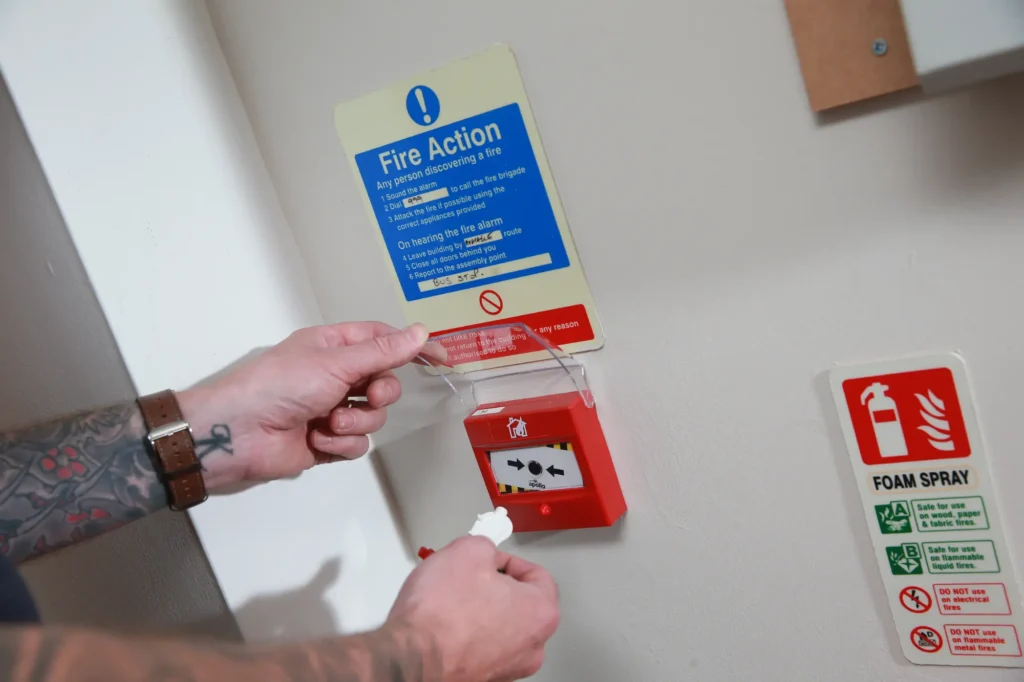
Testing should be carried out by the user every week. Each week, a different manual call point (MCP) should be operated during normal working hours to confirm that the control equipment can process a fire alarm signal and trigger the fire alarm sounders, as well as ensure the signal is received correctly at any Alarm Receiving Centre (ARC). The test should be conducted at the same time each week, and occupants should report any issues with audibility. For systems with staged alarms, both the “Alert” and “Evacuate” signals should be tested sequentially.
In workplaces with employees who work different hours, additional monthly tests should be conducted to familiarise all employees with the fire alarm signals. The duration of the fire alarm signal during the weekly test should be between 5 and 60 seconds. All test results and the identity of the MCP used should be recorded in the system logbook. Voice alarm systems should also be tested weekly in accordance with relevant standards.
Find your nearest office
We regularly visit areas around the Midlands and have a distribution of Fire Alarm Systems locations throughout the region. This makes us the ideal choice for routine servicing, training, and other specific local needs.
All Fire Alarm Systems operatives are fully accredited, Enhanced DBS Checked & IOSH qualified